Tree planting is one of the most rewarding endeavors a gardener or homeowner can undertake. Not only does it enhance the beauty of your landscape, but it also contributes significantly to the environment by improving air quality, providing shade, and supporting local wildlife. Whether you are enhancing an existing garden or embarking on a new landscape project, understanding the nuances of tree planting will set you up for success.
Choosing the Right Tree
The first step in any planting project is selecting the right tree for your space. Consider factors such as climate, soil type, and available light. For instance, if you live in a region with hot summers and cold winters, trees like the Sugar Maple or Eastern Red Cedar may thrive. On the other hand, areas with milder climates might be suitable for species such as Citrus Trees or Olive Trees.
When selecting a tree, think about its mature size. A towering oak may look majestic now but could pose issues later if planted too close to power lines or buildings. Conversely, smaller ornamental trees like Japanese Maples can add elegance without overwhelming your space.
Understanding Soil Conditions
Before you dig, it is essential to analyze your soil conditions. Different trees have varying preferences for soil types — some thrive in well-draining sandy soils while others prefer richer clay-based environments. Conducting a simple soil test will help you understand pH levels and nutrient content.
If your soil is compacted or lacks nutrients, consider amending it with organic matter such as compost before planting. This not only improves drainage but also enriches the soil with essential nutrients that will support healthy root growth.
The Best Time to Plant
Timing can make all the difference when it comes to tree planting. Generally speaking, early spring and fall are considered optimal times for planting deciduous trees because they are dormant during these seasons and can establish roots before facing summer heat or winter cold.
However, evergreens often do better when planted in early spring to allow them time to adapt before their first winter season. Timing your planting correctly reduces stress on the tree and aids in establishing strong roots.
Preparing Your Site
Once you've selected your tree and determined the best time for planting, it's crucial to prepare your site properly. Begin by clearing away any grass or weeds from around the area where you'll be digging; this helps eliminate competition for nutrients and water.
Next, dig a hole that is at least twice as wide as the root ball of your tree but only as deep as it is seasonal planting schedule tall. This allows roots to spread out comfortably while ensuring that they are not buried too deeply in the ground — a common mistake that can lead to poor growth or even death.
Planting Techniques
With everything prepared, it's time to plant. Gently remove your tree from its container without damaging the roots; if necessary, loosen any tightly bound roots that may be circling around themselves. Position the tree in the center of your hole so that its root flare (the area where trunk meets roots) sits just at ground level.
As you backfill the hole with soil, ensure there are no air pockets by lightly tamping down around the base of the tree. Water thoroughly once planted; this settles the soil around roots and provides much-needed hydration.
Watering and Maintenance After Planting
After planting a tree, regular watering becomes crucial for survival during its initial establishment phase — typically lasting one to two years. Newly planted trees require about an inch of water weekly during dry spells; mulch can help retain moisture while suppressing weeds.
Observing how much moisture your specific species needs will guide you effectively throughout this period. Additionally, keep an eye on pests and diseases; early intervention can prevent larger problems later on.
Fertilization Needs
While newly planted trees benefit from rich soil conditions initially provided at planting time, they often require additional fertilization within their first year as their nutritional needs grow with their size.
A slow-release fertilizer specifically formulated for trees works well when applied in early spring before bud break occurs; this gives them essential nutrients during their active growing season without overwhelming them with high nitrogen levels that could promote excessive leaf growth at the expense of root development.
Pruning Basics
Pruning plays an important role in maintaining healthy trees over time. Initially focusing on structural pruning helps create a strong framework by removing any crossing branches or weak leaders while encouraging upward growth rather than lateral spread.
Regular maintenance pruning should take place annually after establishment — typically every spring — allowing light into lower branches while removing dead or diseased wood as needed throughout each growing season. This encourages healthy growth patterns while increasing airflow within foliage which helps ward off pests and diseases alike.
Understanding Long-Term Care
Tree care does not end after planting; understanding long-term maintenance ensures longevity in both health and aesthetics over many years ahead! Regular inspections will help catch potential issues related either directly through environmental changes (like drought periods) or indirectly via pest infestations requiring timely treatments before they escalate further!
Mulching remains vital throughout all stages—adding organic material around base areas offers temperature regulation alongside moisture retention capabilities! Ensure mulch does not touch trunks themselves though—this prevents rot caused by prolonged moisture contact against bark surfaces!
Finally—don’t forget about seasonal adjustments needed based upon changing weather patterns! Winterizing requires special attention regarding protection against frost damages whereas summer heat waves necessitate increased watering regimes especially during particularly dry stretches!
Environmental Benefits of Tree Planting
Beyond aesthetics lies another layer worth discussing: environmental impact! Trees provide countless benefits ranging from carbon sequestration efforts aimed at combating climate change down through providing essential habitats for various species living locally!
For example: One mature oak absorbs roughly 48 pounds of CO2 annually—contributing significantly toward reducing greenhouse gases present within our atmosphere today! Additionally—tree canopy coverage reduces urban heat islands commonly observed within cities leading directly towards improved public health outcomes overall!
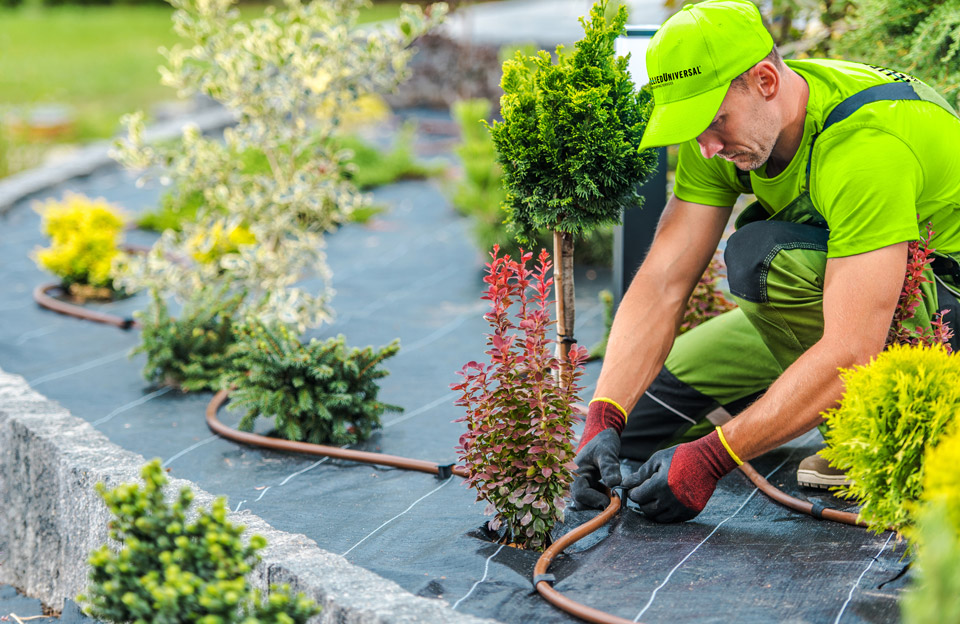
Furthermore—the presence of street-side vegetation outdoor planting leads towards improved property values due simply because people appreciate views lined with greenery rather than concrete walls alone!
In summary—planting isn't merely about beautifying one's surroundings—it’s about fostering sustainable ecosystems capable not only enriching lives today but also preserving landscapes tomorrow—for generations yet unborn who shall enjoy what we sow today!
By engaging fully with every aspect surrounding successful implementation—from thoughtful selection processes through ongoing care requirements—we set ourselves up beautifully towards achieving thriving spaces filled joyfully blossoming life spanning across seasons ahead!